Grade 3 - Session 1
“Reimagining Everyday Objects”
Architect:
Syed Shayaan Haider - Markhor3D
Learning Objectives
In this session, students will be able to,
- Understand how simple design can improve everyday objects.
- Realize how they can create their own toys and replace broken parts.
- Recognize and discuss problems with common items they use daily.
- Begin thinking about how they could design their own solutions using creativity.
Teaching Aids
Visual aids:
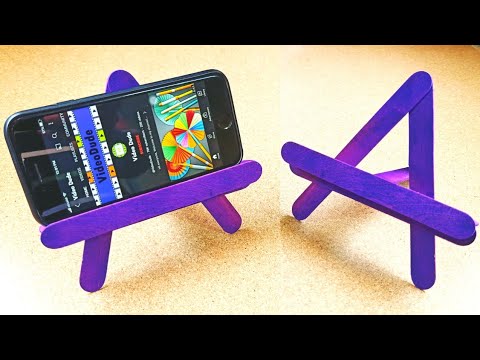
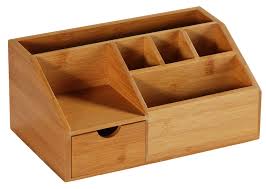
- Printed images and real world prints of innovative everyday objects (Google image seach custom bookmarks, key holders, phone stands, desk organisers, multifunctional keychains).
- 3D Printed Toys [Google image seach “3D printed toys”]
- Whiteboard and markers for brainstorming.
- Paper and pencils for students to sketch their ideas.
- Computer or tablet to show examples of designs online (optional).
Equipment Required
-
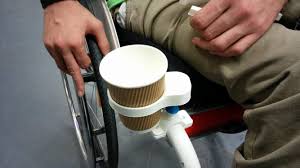
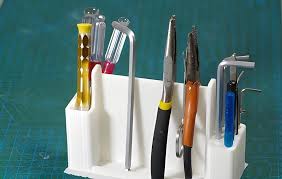
Examples of simple innovative objects few of them 3D Printed that solve design problems (Conditons apply).
-
Whiteboard and markers.
-
Projector and screen (optional).
-
Paper and pencils for each student.
Structure and Lesson Plan:
Introduction (10 minutes):
Begin by welcoming the students and setting a curious and imaginative tone for the lesson. You might say something like:
“Today, we’re going to do something very exciting! Have you ever looked at an object, maybe something you use every day, and thought, ‘I wish this worked a little better’? Maybe a pencil holder that always tips over, or a bookmark that falls out of your book too easily. Today, we’re going to think like designers—people who solve problems with creativity and clever ideas. We’ll look at everyday objects, and then reimagine them to make them better!”
- Set up a curious and imaginative tone
- A problem is something that makes things hard or doesn’t work the way we want. For example, if your backpack is too heavy to carry easily, that’s a problem. Designers solve problems by making things work better, like creating a backpack with wheels.
- Did you know people put man on the moon before they put wheels on travel bags?
- Identify problems which everyday objects solve.
- Discuss how they solve a problem?
- Discuss how they have been designed to do so?
- Discuss manufacturing process: How are they made?
- Identify Problems in everyday use objects.
- Could it be done better?
- Introduce Concept of Design as a solution to problems.
- Explain how every object around us was designed to solve a problem.
Show and Tell (10 Minutes):
Create Dialogue and discuss well designed objects and their features.
Example:
“Look at this key holder. How many of you have a key that gets lost in your bag or falls off your desk? This designer saw that problem and created a small key holder that keeps everything in one place. It’s not a fancy or complicated object, but it solves a common problem. That’s what makes it clever! Let’s look at a few more examples.”
As you present each object, create dialogue:
- Why do you think this was created?
- What problem does it fix?
- How do you think it was made to solve that problem?
This will encourage students to think critically about objects and how they serve a purpose.
Guided Instructions and Brainstorming (15 minutes):
Now it’s time to involve the students in the process.
- Think like a designer.
- Look around, what could be better?
Give them a few minutes to think about objects they use every day. Then, ask them to share their thoughts with the class. Create Dialogue.
-
Can anyone think of an object that could be improved?
-
Why does this object cause problems, and how might you fix it?
-
Encourage creativity and make it clear that there are no wrong answers in brainstorming.
-
If students are struggling, guide them by suggesting objects they might encounter regularly e.g. a lunchbox, a notebook, or even their shoes.
-
Once students have shared ideas, pass out paper and pencils. Ask them to draw a rough sketch of their reimagined object.
-
Remind them that it doesn’t have to be perfect, just a way to get their ideas on paper.
Class Discussion (15 minutes):
After they’ve sketched their ideas, gather the class back together and ask for volunteers to share their drawings.
Use this opportunity to ask reflective questions, such as:
- What problem does your object solve?
- Why did you choose this particular object?
- What problems did you face when you were rethinking your object?
- What issues do you think designers face when creating something new?
Encourage students to discuss each other’s ideas and offer suggestions on how to improve them.
Reflection and Followup (5 minutes):
End the session by summarizing what was discussed.
Example:
“Today, you all thought like designers, and that’s amazing! You looked at everyday things and saw how they could be improved. In the next session, we’re going to take some of these ideas even further and think about how we could bring them to life using 3D design. So keep thinking about problems you encounter every day and how you could solve them with your creativity!”
Encourage students to go home and look for more objects they could improve. Ask them to bring their ideas to the next class.
Glossary
- Design: Creating something with a specific purpose in mind to solve a problem.
- Brainstorm: Coming up with as many ideas as possible, no matter how wild, to solve a problem.
- Object: A thing that can be seen or touched, used in everyday life.
For suggestions, improvements, and corrections feel free to reach out at shayaanhaider@gmail.com