Grade 4 – Session 7: “Photosynthesis in Action”
Session Architect: Aleeza Ayaz - Markhor3D
Session Length: 50-60 minutes
Session Overview:
In this engaging session, students will explore how plants perform photosynthesis, taking in carbon dioxide (CO₂) and producing oxygen, with sunlight as a critical ingredient. Through hands-on measurement of CO₂ levels around plants in light and dark settings, students will discover how sunlight impacts the rate of photosynthesis. By analyzing real-time data with MeasureLab’s CO₂ sensor, they will learn how plants help regulate CO₂ levels, linking this natural process to environmental issues like climate change. This session encourages curiosity and critical thinking, allowing students to test predictions, record observations, and understand the role of plants in maintaining a balanced ecosystem.
Learning Objectives:
In this session, students will:
- Understand how plants use carbon dioxide (CO₂) during photosynthesis to produce oxygen.
- Learn that sunlight is essential for photosynthesis, and plants cannot produce oxygen without it.
- Measure CO₂ levels around plants in light and dark conditions, linking CO₂ consumption with sunlight exposure.
- Relate photosynthesis to real-world environmental issues like climate change.
- Practice testing hypotheses, refining predictions, and analyzing results.
Teacher Resource:
Session File: ML47.plf (71.9 KB)
Equipment Required:
- MeasureLab with built CO₂ sensor.
- Two small potted plants (one placed in the light, one in the shade).
- Light source (optional, if conducted indoors).
- Laptop or PC for displaying live CO₂ levels.
- Worksheet for recording predictions and results.
- Pens, pencils, markers etc.
Teaching Aids:
- Projector (optional).
Preparation:
This step has to be done before the session on each workstation/apparatus by the teacher/session instructor:
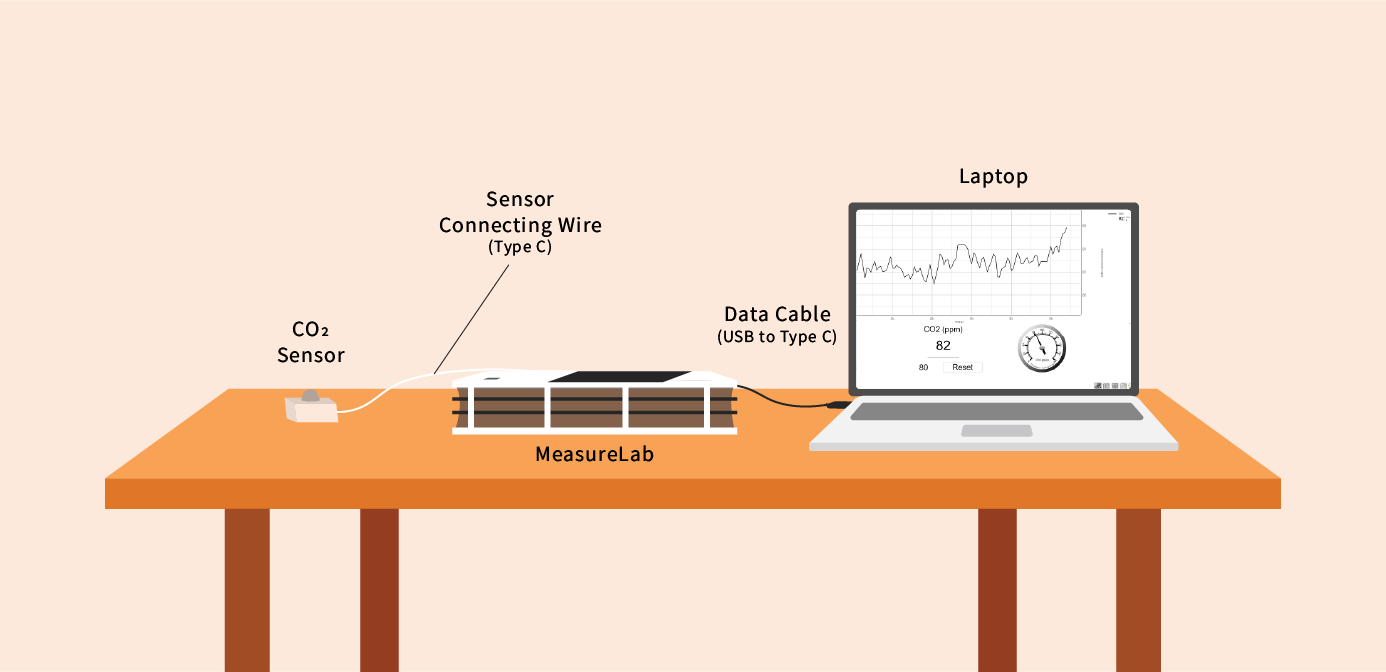
- Make sure that each computer has Physlogger installed and can detect the Measrelab when connected to it using the provided cable.
- Each Measurelab should have access to a power outlet for sensors that require external power. For this session, we will use the CO₂ sensor which requires external power cable to be connected.
- Connect the CO₂ Sensor to the Measurelab using the following port:

- Launch the Physlogger application and load the session file provided in the resources section.
Your setup will look something like this:
Introduction (15 minutes):
You may begin by asking:
“Who here knows why we need plants to live? What do plants give us?”
Allow students to answer (e.g., oxygen, food).
You may build on their answers:
“Plants give us oxygen, which we need to breathe. But did you know that plants also need something from the air to live? They need carbon dioxide (CO₂).”
You may ask:
“Can anyone tell me what helps plants make oxygen? Why can’t they make it all the time?”
Guide the students toward understanding that plants need both sunlight and CO₂ to make oxygen.
You may explain:
“Plants make oxygen through a process called photosynthesis. They take in CO₂ from the air, and with the help of sunlight, they turn it into oxygen. But here’s the important part: they can only do this when there’s sunlight. So, if a plant is in the shade, it can’t make as much oxygen, and it doesn’t need as much CO₂.”
Transition to the Experiment:
“We’re going to measure how much CO₂ two plants take in—one in the light and one in the shade. Let’s see which plant takes in more CO₂, and why!”
Hands-On Exploration (35-40 minutes):
Setting Up the Experiment:
-
CO₂ Sensor Setup: (to be done a day in advance or overnight)
- Connect the CO₂ sensor to the MeasureLab. Let the sensor warm up for a minute for accurate reading.
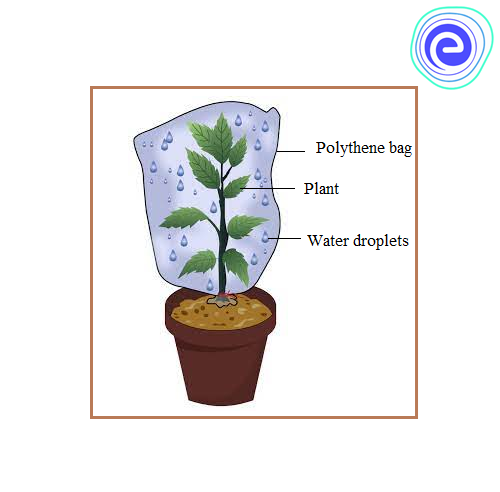
-Place the CO₂ Sensor inside a small plastic bag. The bag will act as a controlled environment around each plant to measure CO₂ levels accurately. - Seal the plastic bag carefully around the plant to make sure no air escapes while capturing CO₂ levels. You can use rubber bands or clips to secure the bag around the plant pot, creating a tight seal.
- Ensure no leaks by gently pressing the bag. If the bag deflates, it means there’s a leak, and the bag needs to be sealed again.
- Connect the CO₂ sensor to the MeasureLab. Let the sensor warm up for a minute for accurate reading.
-
Positioning the Plants:
- Place one plant in direct sunlight (or near a bright light source if conducted indoors) and another plant in a shaded area.
- Students will use MeasureLab to monitor the live CO₂ levels from both plants.
Student Predictions:
-
Which plant will take in more CO₂?
- Plant in the sunlight
- Plant in the shade
(Circle one)
-
Why do you think this plant will take in more CO₂?
- “I think it will take in more CO₂ because…”
Running the Experiment:
- Students will use the sensor collect CO₂ levels from each plant’s plastic bag.
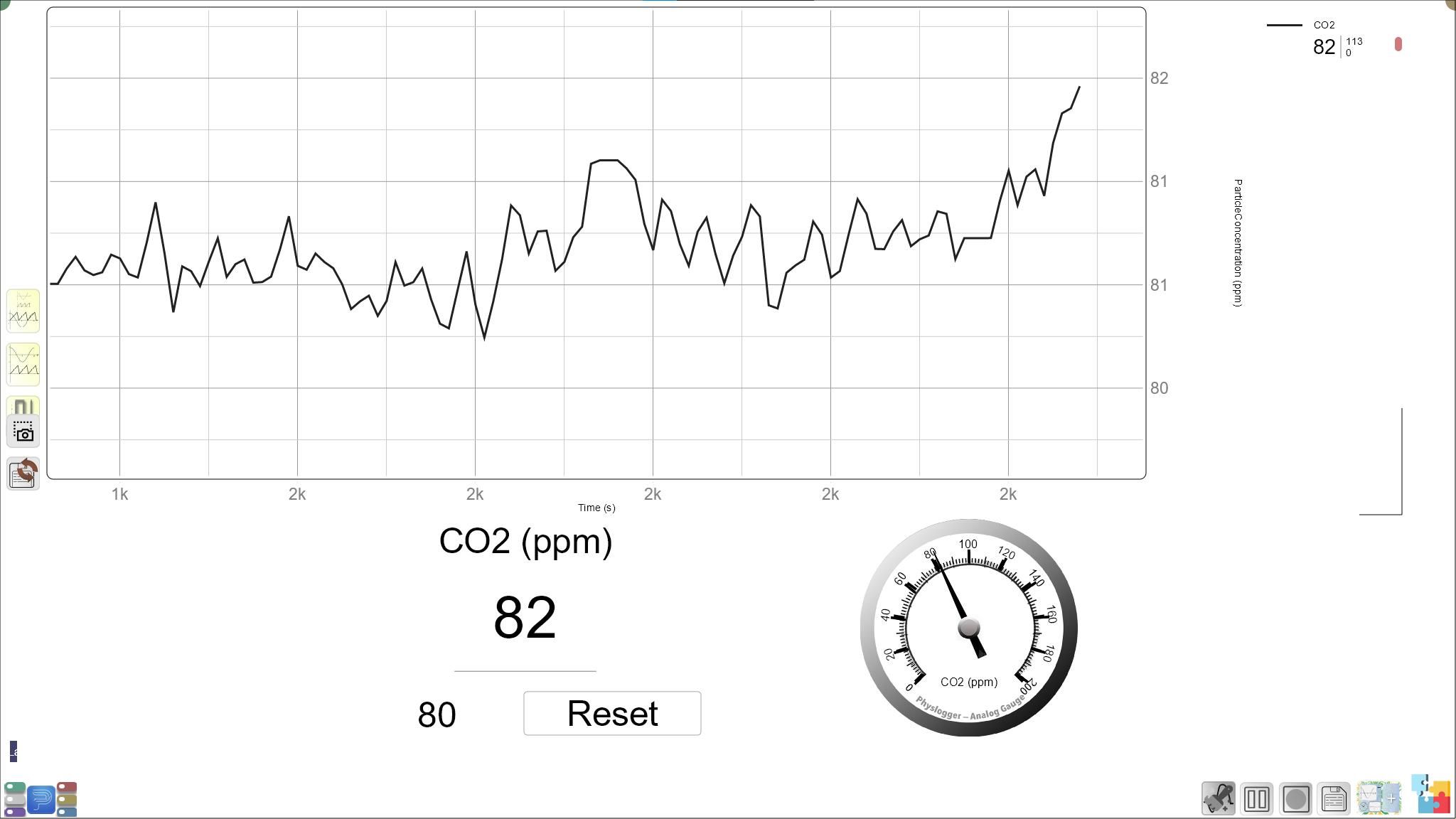
- Observe the CO₂ levels on MeasureLab in real-time. Students will note the changes in levels from both plants over the next few minutes.
- Guide them to observe why the plant in sunlight shows lower CO₂ levels (due to more CO₂ consumption during photosynthesis) compared to the plant in the shade.
Key Focus:
- Emphasize that the plant in the sunlight takes in more CO₂ because it uses it for photosynthesis.
- Ask students to think about why photosynthesis happens faster in sunlight and why the plant in the shade consumes less CO₂.
Interactive Questions During the Experiment:
- “What do you notice about the CO₂ levels around the plant in the sunlight? Are they going down?”
- “What about the plant in the shade—what do you notice about its CO₂ levels?”
- “Why do you think the plant in the light needs more CO₂?”
Worksheet Layout:
-
Prediction Section:
- Which plant will take in more CO₂? (Circle one)
- Plant in the sunlight
- Plant in the shade
- Why do you think this plant will take in more CO₂?
- Which plant will take in more CO₂? (Circle one)
-
Observation Section:
- CO₂ level around the plant in the sunlight: ______
- CO₂ level around the plant in the shade: ______
-
Analysis:
- Did the plant in the sunlight take in more CO₂? Yes / No
- Why do you think this happened?
- What did you notice about the CO₂ levels in the shade?
-
Follow-Up Question:
- Why do you think plants need sunlight to use CO₂? What happens when they don’t get sunlight?
Guided Activity:
After completing the experiment, you may ask:
- “What did we learn today about why plants in sunlight take in more CO₂? Why can’t they do this in the shade?”
“Can anyone explain why sunlight is so important for plants to make oxygen?”
Conclusion (5 minutes):
You may summarize:
“Today, we learned how plants use CO₂ and sunlight to make oxygen. The plant in the sunlight took in more CO₂ because it was using it for photosynthesis. The plant in the shade didn’t take in as much CO₂ because it wasn’t making as much oxygen.”
You may ask:
“Does anyone know what would happen if our environment had too much carbon dioxide? Why do we need plants to help balance CO₂ levels?”
Relating to Climate Change:
“Plants help keep the amount of CO₂ in the air balanced. But when we cut down trees, there aren’t as many plants to take in CO₂, which can lead to climate change. That’s why we need to take care of our environment and plant more trees to help absorb CO₂.”
Next Session
Previous Session
Glossary:
- Photosynthesis: The process by which plants make food using sunlight, carbon dioxide, and water.
- Carbon Dioxide (CO₂): A gas that plants need to survive and that we breathe out.
- Oxygen: A gas that plants produce, which we need to breathe.
- Environment: Everything around us, including air, water, plants, and animals.
- Climate Change: A long-term change in the Earth’s weather patterns, often caused by too much CO₂ and other gases in the atmosphere.
- CO₂ Sensor: A tool that measures how much carbon dioxide is in the air.