Grade 2 – Session 8: “Heart Rate Exploration: Active vs. Resting”
Session Architect: Aleeza Ayaz - Markhor3D
Session Length: 50-60 minutes
Session Overview:
In this exciting session, students will explore how their heart rate changes during rest and physical activity. Using MeasureLab’s pulse sensor, they will measure their heart rates at rest and after exercise, predicting and observing how movement affects their bodies. Through hands-on activities like jumping jacks and running in place, students will compare their resting and active heart rates, recording their observations on worksheets. This session fosters curiosity about how the body works, helping students understand why their hearts beat faster when they move and how this helps the body stay energized and healthy.
Learning Objectives:
In this session, students will:
- Explore how their heart rate changes with physical activity.
- Use the pulse sensor to measure heart rate at rest and after exercise.
- Feel their own heartbeat by placing their hands on their chests.
- Predict and observe changes in heart rate, fostering curiosity about how the body works.
Equipment Required:
- MeasureLab with pulse sensor (IR-based finger placement).
- A laptop or PC for displaying heart rate data in real-time.
- Space for students to engage in physical activity (e.g., jumping jacks, running in place).
- Worksheet for students to record their heart rates and observations.
Teaching Aids:
- Projector (optional, for displaying live heart rate data).
- Safety considerations for managing physical activity safely.
Teacher Resource:
Session File: ML28.plf (61.1 KB)
Preparation:
This step has to be done before the session on each workstation/apparatus by the teacher/session instructor:
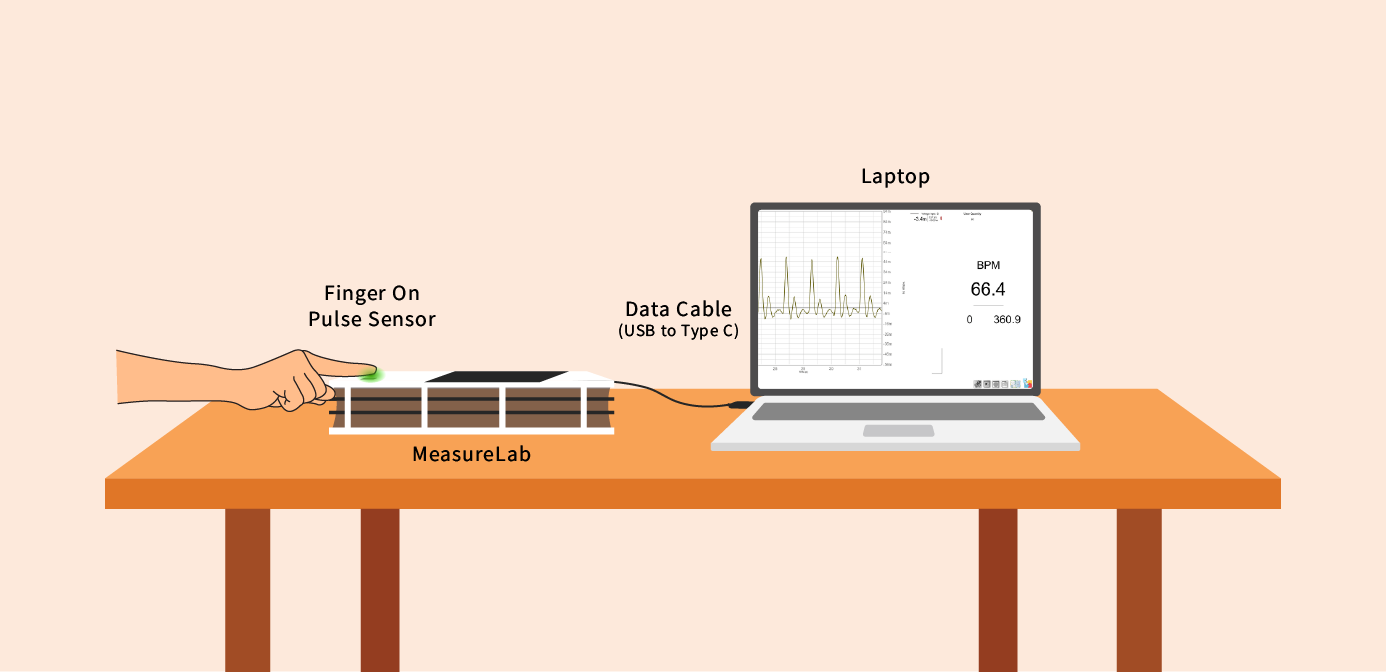
- Make sure that each computer has Physlogger installed and can detect the Measrelab when connected to it using the provided cable.
- Each Measurelab should have access to a power outlet for sensors that require external power. For this session, Pulse Sensor will be used which requires an external power source.
- Launch the Physlogger application and load the session file provided in the resources section.
Your setup will look something like this:
Structure: (10 minutes)
-
Introduction with Demonstration:
-
Begin by demonstrating how to use the pulse sensor by placing your own finger on the sensor.
-
Explain to the students:
- “Our heart is like a pump that moves blood around our body. It moves a certain number of times every minute. The number you see on the screen is our heart rate—it tells us how many times our heart beats in one minute.”
-
Use your hand to mimic a “beating” motion, showing how the heart pumps.
-
Interactive Feeling:
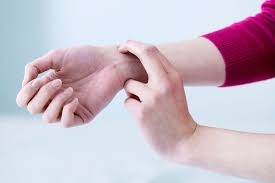
- Ask students to place their hands on their chests to feel their own heartbeats.
- Say: “Can you feel a thumping in your chest? That’s your heart beating!”
-
Let the students observe your heart rate on the screen in real-time.
-
Suggested Questions:
- “Can you see this number? This is how many times my heart is beating right now. What do you think will happen if I run or jump?”
-
Encourage students to predict what might happen to the heart rate when they move.
-
-
Interactive Exploration:
- Invite a student volunteer to come forward and demonstrate their own heart rate by placing their finger between the two IR points on the sensor.
- Ask:
- “Now we’re going to see how your heart is beating when you’re sitting still. What do you think your heart rate will be? Faster or slower than mine?”
- Let students observe the results and begin comparing resting heart rates.
Hands-On Exploration (15-20 minutes)
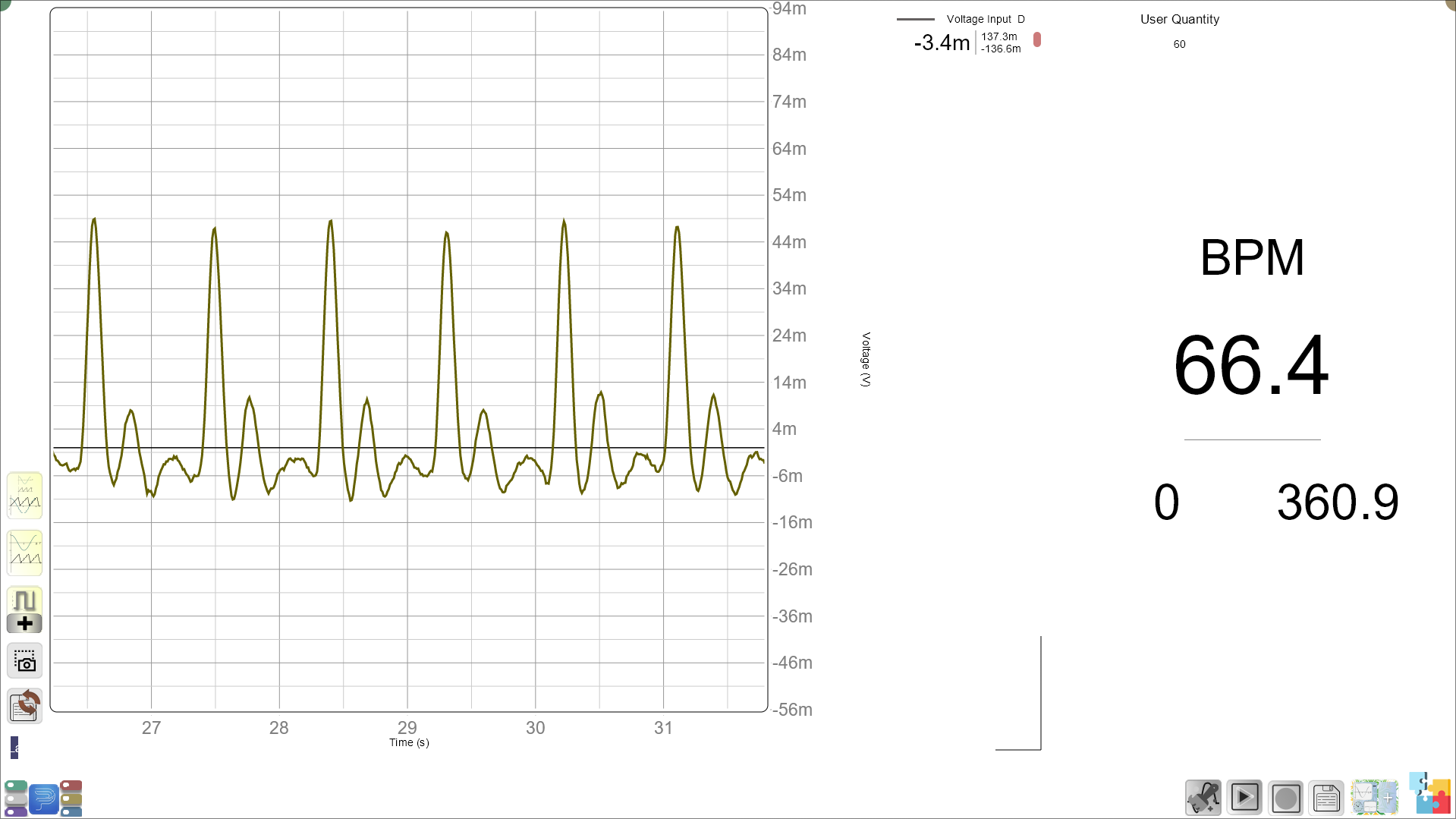
- Measuring Resting Heart Rate:
- Have several students place their fingers between the IR points and observe their heart rates on the screen.
Resting Heart Rate:
- Ask the class:
- “Is everyone’s heart rate the same? Why might some be higher or lower?”
- Encourage students to record their resting heart rates on the worksheet.
- Physical Activity Demonstration:
- Group Activity:
- Lead the whole class in a brief physical activity, such as jumping jacks or running in place for about one minute.
- Before starting, ask:
- “What do you think will happen to your heart rate after we exercise? Will it go up, down, or stay the same?”
- Encourage students to feel their heartbeat by placing their hands on their chests immediately after exercising.
- “Place your hand on your chest again. Does your heart feel like it’s beating faster?”
- Group Activity:
Active Heart Rate:
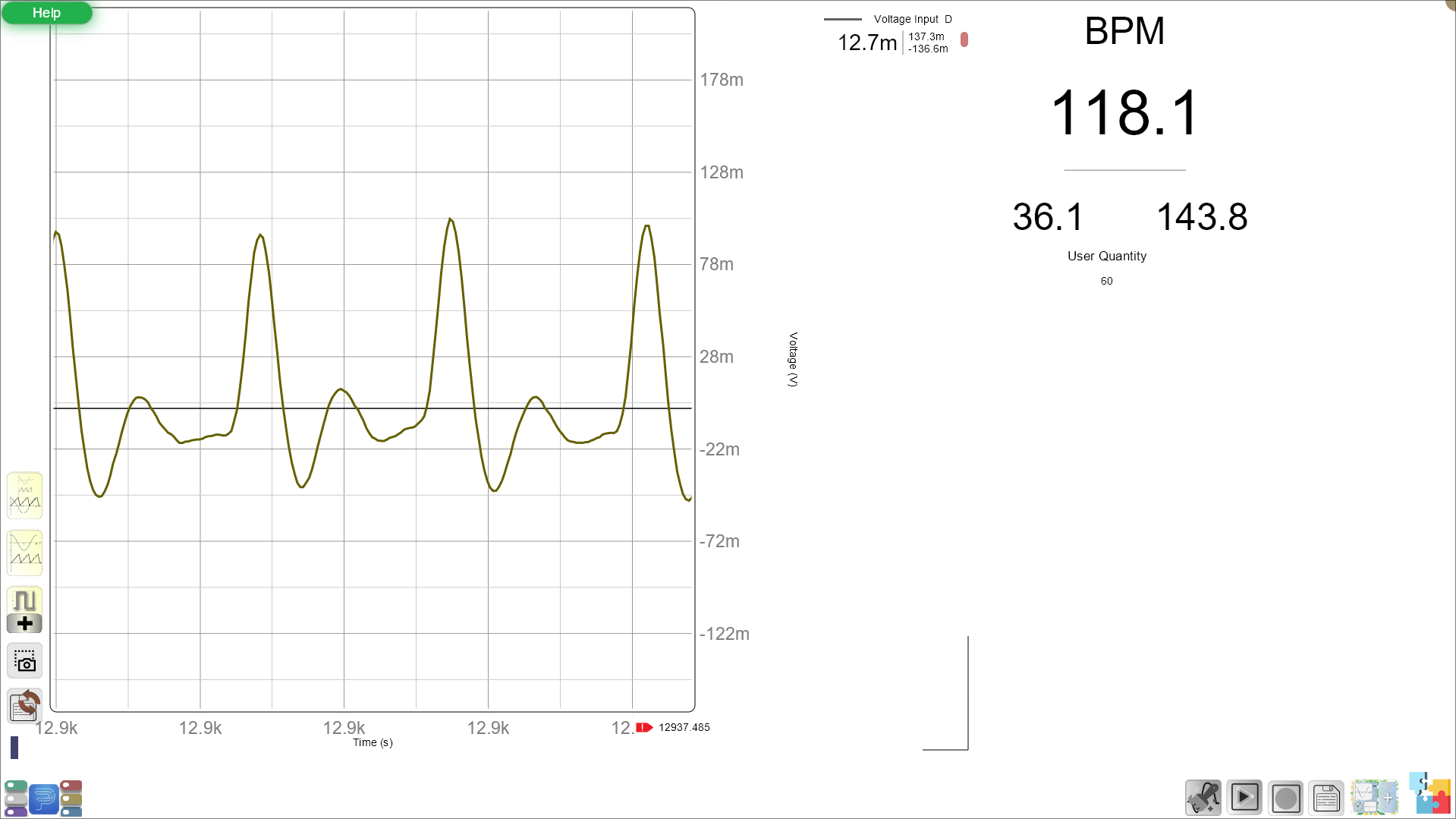
- Measuring Active Heart Rate:
- After the activity, have students measure their heart rate again using the pulse sensor.
- Ask:
- “What do you notice about your heart rate now? Is it different from before?”
- Students should record their active heart rates on the worksheet.
Guided Activity (15-20 minutes)
-
Worksheet Activity:
- Students will:
- Record their resting and active heart rates.
- Draw a picture of themselves at rest and after exercise, illustrating how their heart rate changed.
- Answer questions like:
- “How did your heart rate change after exercising?”
- “Why do you think your heart beats faster when you move?”
- Students will:
-
Class Discussion:
- Facilitate a discussion by asking:
- “Who had the biggest change in heart rate? What do you think caused that?”
- “Why is it important for our hearts to beat faster when we exercise?”
- Encourage students to share their thoughts and experiences.
- Facilitate a discussion by asking:
-
Exploring the Heart Rate Plot:
- Show the live plot of the heart rate data.
- Ask:
- “Why do you think the line on the plot goes up and down? What does that tell us about our heartbeats?”
- Allow students to share their ideas, fostering curiosity for future lessons.
Summary and Reflection (5-10 minutes)
-
Conclusion:
- Summarize the key points:
- “Today, we felt our hearts beating and saw how our heart rate changes when we move.”
- “We learned that our hearts beat faster when we exercise to help our bodies get the energy they need.”
- Reinforce the concept by mimicking the beating motion again.
- Summarize the key points:
-
Reflection Questions:
- “What did you find interesting about your heart rate today?”
- “Can you think of other times when your heart might beat faster?”
-
Ending with Curiosity:
- Pose a question to pique their interest:
- “If our hearts beat faster when we exercise, what do you think happens when we sleep? Let’s think about that and explore it another time!”
- Pose a question to pique their interest:
Glossary:
- Heart Rate: The number of times your heart beats in one minute.
- Resting Heart Rate: How fast your heart beats when you are sitting still.
- Active Heart Rate: How fast your heart beats after you move or exercise.
- Pulse Sensor: A tool that measures your heart rate.
- Beat: One complete movement of the heart as it pumps blood.
Safety Considerations:
- Ensure that physical activities are safe and appropriate for all students.
- Allow students to opt-out or rest if they feel uncomfortable.
- Monitor for signs of fatigue or overexertion.